







Search Results for: consumer disputes
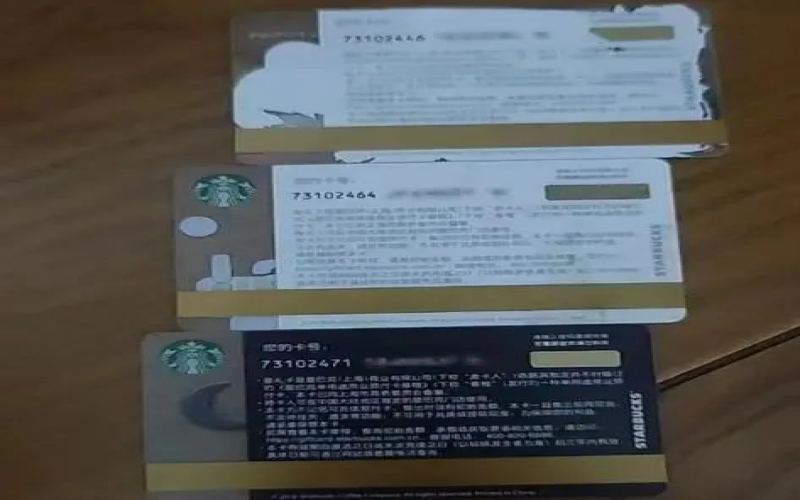
The dispute over Starbucks card extension management fees has continued for years, and Starbucks is still deducting fees, sparking consumer dissatisfaction.
The issue of Starbucks Star Gift Card extension management fees has repeatedly been thrust into the spotlight in recent years. Although the controversy has persisted for several years, consumers have recently reported that their Star Gift Cards were continuously charged this fee without their knowledge. From Mr. Gu's experience to Ms. Zhang's case of being charged for 22 months, and the endless complaints on the Black Cat platform, is this charging mechanism a reasonable rule or a failure to fulfill the obligation to remind? Consumers and Starbucks each hold their own views, arguing endlessly. This article will sort out the whole story, the views of all parties, and the official terms, to help you understand this long-running dispute. [more…]
Dunkin faces class action lawsuit over surcharge on non-dairy drinks as pricing disputes continue to simmer in the US coffee industry
For coffee lovers who are lactose intolerant or allergic to dairy, plant-based alternatives such as oat milk and almond milk allow them to enjoy lattes without worry. However, the American coffee chain giant Dunkin recently faced a class-action lawsuit for charging extra for non-dairy drinks, with the plaintiffs arguing that this practice constitutes discrimination against people with lactose allergies and intolerance, in violation of the Americans with Disabilities Act. This is not the first time the U.S. coffee industry has faced legal disputes over plant-based milk pricing; Starbucks has also previously faced similar allegations. This article will review the course of events, the legal basis, and industry reactions, and explore the cost and fairness issues behind the controversy over non-dairy drink pricing. [more…]
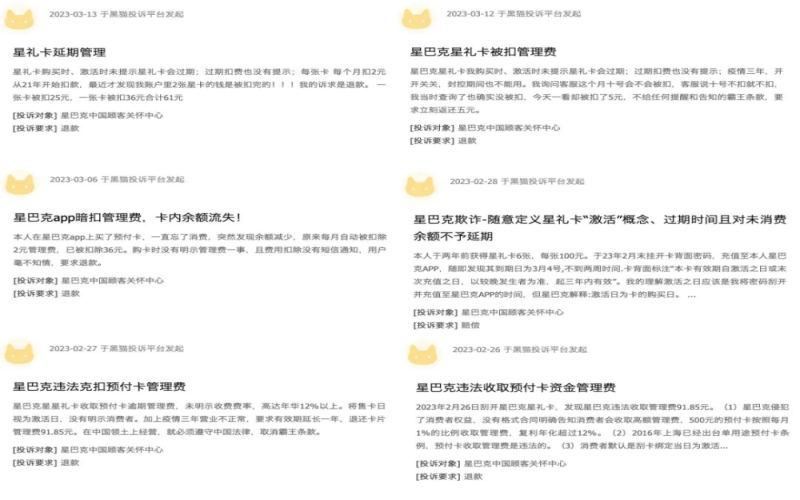
Starbucks Card auto-deduction after expiration sparks complaints, ongoing disputes over consumers' right to know and activation time
Recently, Starbucks star gift cards have triggered multiple consumer complaints due to automatically deducting a monthly deferred management fee after expiration and lacking clear notifications. Some users reported that the deductions continued for 22 months before they偶然 discovered it, and when they called customer service, they were told that the practice was compliant. An investigation found that although the relevant terms are displayed in bold in the App, users are not required to actively confirm reading them during the binding process. In addition, the activation time is not marked on the star gift card, and consumers' understanding of the "date of activation" differs from the official definition. This article will sort out the focus of complaints, the details of the rules, and the core of the dispute, and explore the boundary between the reasonableness of prepaid card deductions and users' right to be informed. [more…]
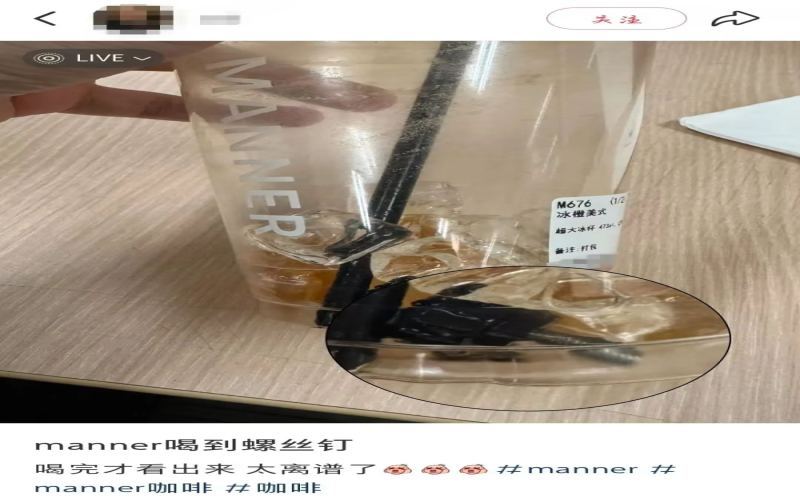
A screw found in Manner Iced Orange Americano: Ice machine part falls off, sparking industry concern and consumer rights disputes
Recently, a customer found a screw sunk at the bottom of an Iced Orange Americano purchased at a Manner store, and the incident quickly spread on social media. According to Manner employees, the screw was suspected to have come from the ice guard plate of the store's ice machine, possibly falling into the ice storage bin because it was not tightened during assembly, and eventually ending up in the drink. After the incident, the brand required all stores to check the screws on their ice machines and report with photos, while the employee involved may face dismissal and a heavy fine. Online opinion was divided over whether the consumer should complain and seek compensation: some sympathized with the worker and suggested settling privately, while others insisted that mistakes must be held accountable and that the consumer's rights protection is reasonable and lawful. As of press time, the compensation plan remains unclear, but the incident has already triggered widespread discussion about equipment management and employee responsibility at coffee shops. [more…]
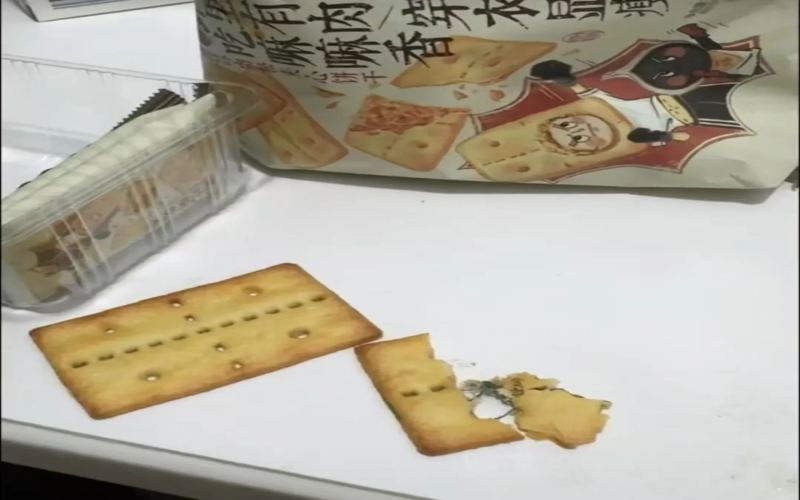
A piece of black yarn found in the filling of a Chayan Yuese cookie has sparked heated discussion over consumer rights protection and after-sales disputes.
Recently, a consumer posted a video on social media claiming to have found black thread in a black garlic and meat floss sandwich biscuit purchased from Sexy Tea, sparking widespread attention. The video shows black threads resembling sewing thread mixed into the biscuit's filling layer, connecting the broken pieces together. After the poster reported the issue to customer service, the brand required the problematic biscuit to be mailed back before compensation would be provided—a solution that drew opposition from many netizens who worried about the loss of evidence. Previously, other consumers had reported finding foreign objects such as hair, insects, and even screws in Sexy Tea snacks, with after-sales handling mostly involving mailing back the product in exchange for gift packages or coupons, rarely providing financial compensation as required by regulations. As the incident continues to escalate, discussions about the reasonableness of merchants demanding the return of evidence and the protection of consumer rights are intensifying. [more…]
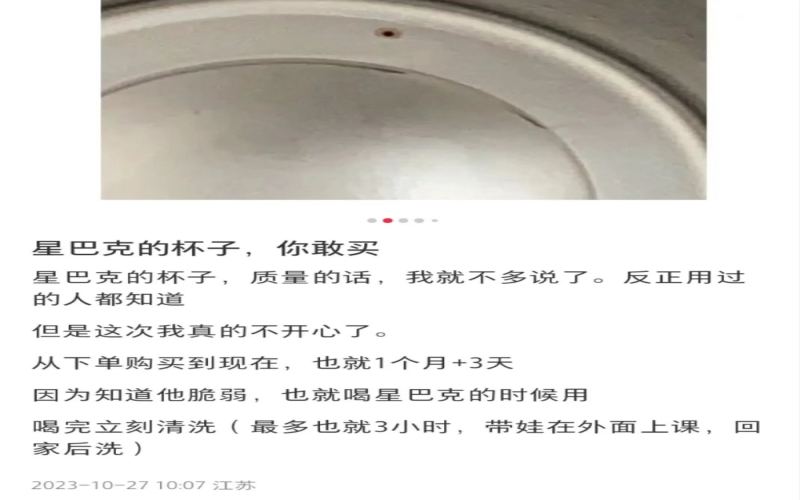
Rust Spots Found in Starbucks Stainless Steel Insulated Tumbler's Interior Spark Quality Controversy, Drawing Attention to Consumer After-Sales Rights Protection
It is no longer news that chain coffee brands sell merchandise. Products such as cups, pins, and canvas bags can not only increase revenue but also cultivate fan loyalty. However, once merchandise has quality problems, after-sales disputes follow one after another. Recently, a netizen posted that the bottom of the inner liner of a stainless steel insulated cup they bought from Starbucks had black rust spots, and when they asked the official side for a replacement, they were refused on the grounds that it was "beyond the after-sales time limit." The post resonated with a large number of consumers. Some complained that quality control was worrying, while others believed that the way it was used might be the key. Three days after the incident gained traction, the blogger updated the progress, saying that Starbucks had agreed to replace it. Who is actually responsible in this dispute? And how should brands balance the appearance and quality of merchandise? [more…]
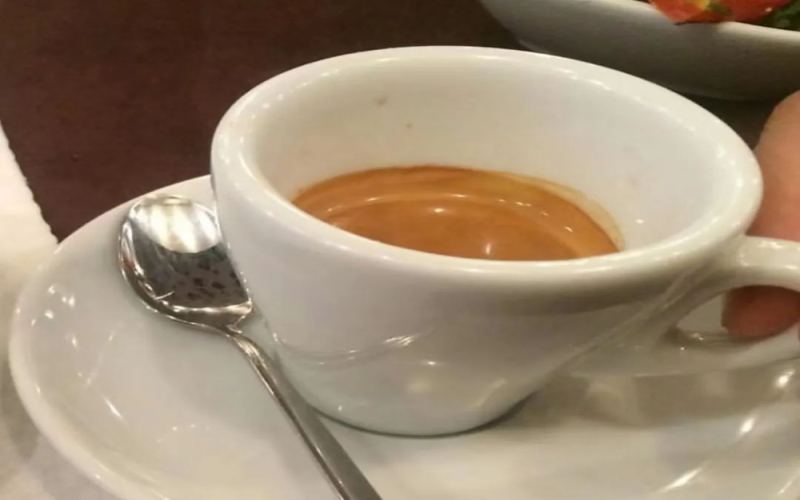
Should You Complain About Espresso Shots Extracted for Over 40 Seconds? Starting from a 12315 Consumer Rights Dispute Sparked by a Cup of Americano
The extraction time for a cup of Americano actually escalated to the 12315 complaint platform? Recently, a netizen ordered an Americano at a coffee shop in Shenzhen and believed that the barista's extraction time exceeded 90 seconds, far beyond the 40-second standard in their understanding, so they demanded a refund and complained to 12315, also requesting that the merchant remove the product from sale. This incident sparked heated discussion in the coffee community: Is there any hard-and-fast rule for the extraction time of espresso? Is it reasonable for consumers to complain about a shop based on their personal standards? This article will recount the incident, sort out the industry reference range for espresso extraction time, and explore the boundary between consumer rights protection and product standards. [more…]
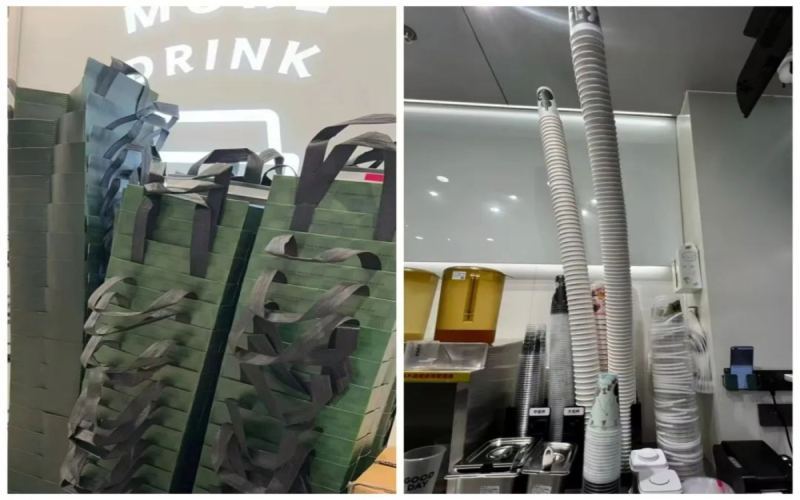
Autumn Begins Order Surge Sparks In-Store Conflict: Luckin Employees' Verbal Dispute Escalates into Physical Altercation
As the Start of Autumn solar term arrives, the milk tea industry welcomes its annual sales peak, and coffee brands are also swept into this consumer frenzy. Luckin Coffee, due to the addition of its light milk tea product line, has seen order volumes rise significantly compared to the same period in previous years, with some stores forced to adopt flow-limiting measures such as suspending water and ice due to staff shortages. However, under intense work pressure, a Luckin Coffee store in Zhaoqing, Guangdong, experienced a physical altercation between employees. According to the New Express, two employees are suspected to have escalated a verbal dispute into a physical fight, but other colleagues intervened in time, and the incident resulted in no injuries. At present, the store manager has confirmed the matter and reported it to the public relations department. This "first internal strife of autumn" reflects the enormous pressure faced by food and beverage workers during the peak season. [more…]
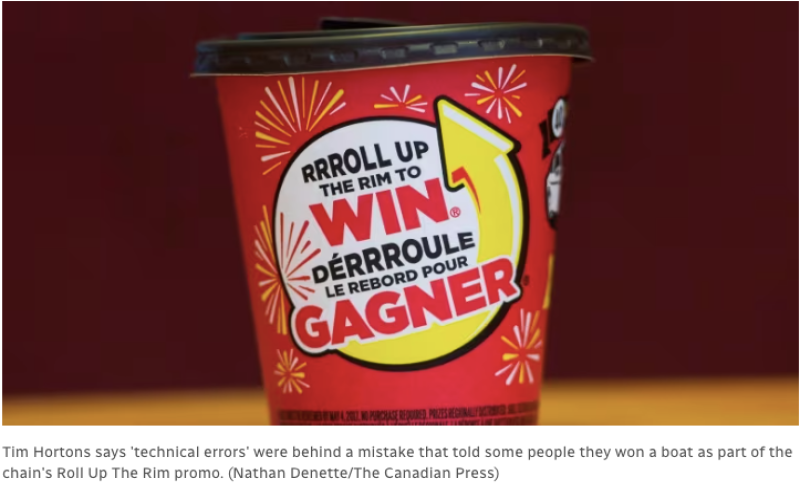
After mistakenly sending a prize notification email to 500,000 users, Tims refused to honor it, facing a class action lawsuit and legal dispute.
Canadian coffee chain Tim Hortons mistakenly sent grand prize winning notifications to about 500,000 subscribers during its "Roll up to Win" promotion due to a technical glitch, then sent a correction email and apologized. Some consumers did not accept this, and on April 19 a Montreal law firm filed a class action application with the Quebec Superior Court, seeking CAD 10,000 in punitive damages for each customer who received the erroneous email. Tim Hortons responded that it would resolve the matter in court and believed the lawsuit lacked legal basis. Legal experts pointed out that the exemption clause in the game rules may increase the difficulty of the lawsuit, but customers can still seek punitive damages. This incident also sounded a warning bell for marketing campaigns and the maintenance of consumer trust in the coffee industry. [more…]
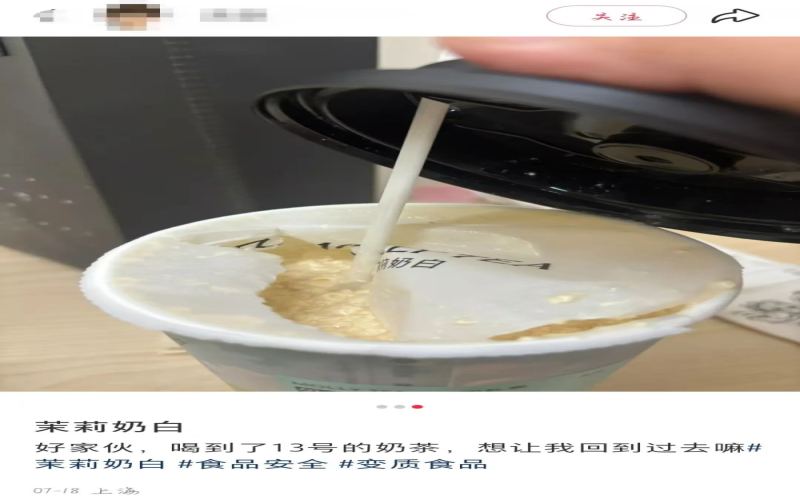
Responsibility dispute sparked by milk tea five days past its expiration date: Molly Tea clarifies that the store is not the management party, and the food delivery stage becomes the focus.
A cup of milk tea labeled as made five days ago has pushed the new-style tea brand Molly Tea White into the eye of public opinion. After placing an order on a delivery platform, a consumer unexpectedly received a cup of drink that had long gone bad. At first, the store admitted it was caused by a backlog of delivery orders and failure to clean up in time, but afterward the brand stepped in to clarify, saying the drink had actually been abandoned by a customer in a public area of the mall, and that management authority belonged to the mall rather than the store. The incident went through multiple reversals—who exactly is responsible? And how should the blind spots in the food delivery chain be filled? This article sorts through the entire course of the incident and appends Front Street Coffee's observations on food safety management in the industry. [more…]
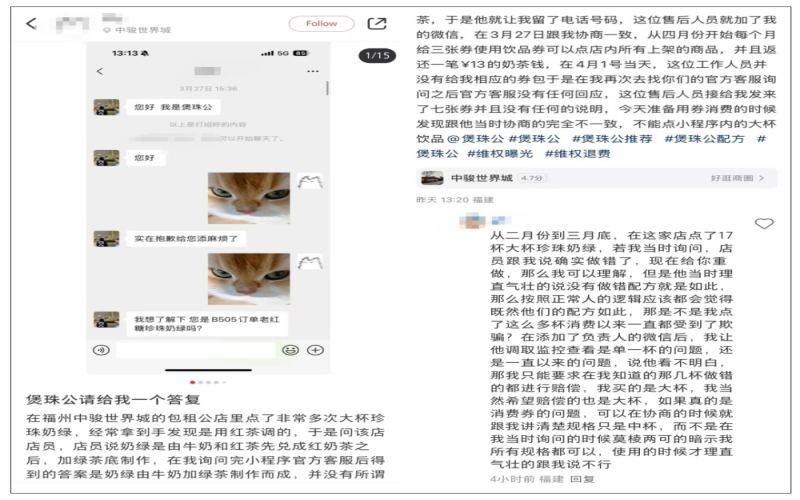
Bao Zhu Gong Fuzhou store customer complaint controversy: Rumors of mass dismissal, shop owner comes forward to clarify and has called the police
Recently, a Fuzhou branch of the chain tea brand Bao Zhu Gong became embroiled in a public opinion storm over an ordinary customer complaint dispute. A consumer claimed that after their milk green tea was made incorrectly, they received a refund and coupon compensation, but then got into an argument with the store over the usage rules. Subsequently, comments appeared that seemed to be from an employee leaking information, claiming that management fired all store staff because of the customer complaint, and even dredging up an old issue where a student employee had previously been fined 1,000 yuan. The incident quickly escalated, with tens of thousands of comments forcing the original post to be deleted. At noon today, an account claiming to be the owner of the store involved issued a statement, saying that the online rumors were all false and that the person involved had gone to the police station to give a statement and file a report. What is the truth? Front Street Coffee takes you through the full picture of the incident. [more…]
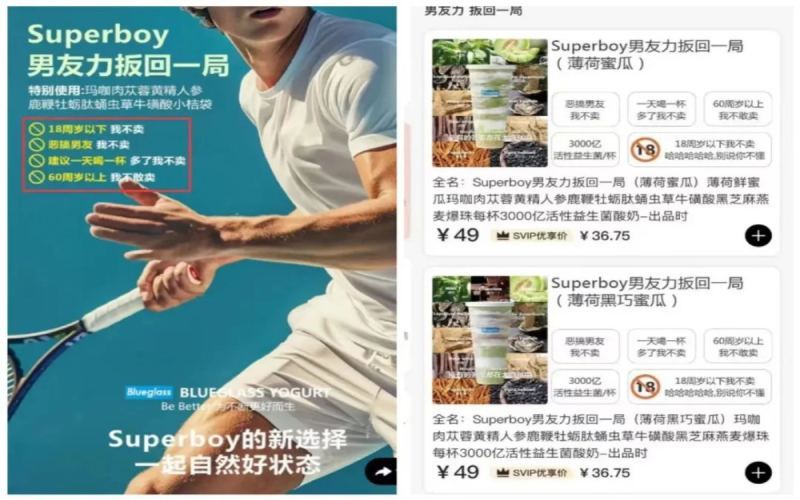
Yogurt brand Blueglass launches "Boyfriend Power" series, controversial suggestive advertising triggers dispute and regulatory investigation
Recently, the yogurt brand Blueglass launched the "Superboy Boyfriend Power Comeback" series, adding traditional Chinese medicine ingredients such as Cistanche, Polygonatum, ginseng, deer whip, and oyster peptides. The intention might have been to promote a health concept, but it was questioned for borderline marketing due to the poster labeling it "18+" and suggestive copy. Similarly, Coconut Palm brand coconut juice was fined 400,000 yuan for vulgar advertising slogans, yet it generated over 5 billion yuan in sales. In an era where traffic is king, eye-catching marketing emerges endlessly, but not all of it yields good results. After Blueglass was exposed, the Shanghai Municipal Administration for Market Regulation has launched an investigation, and the relevant copy was revised and republished. However, the negative label brought by borderline marketing may not be easily erased from consumers' minds. [more…]
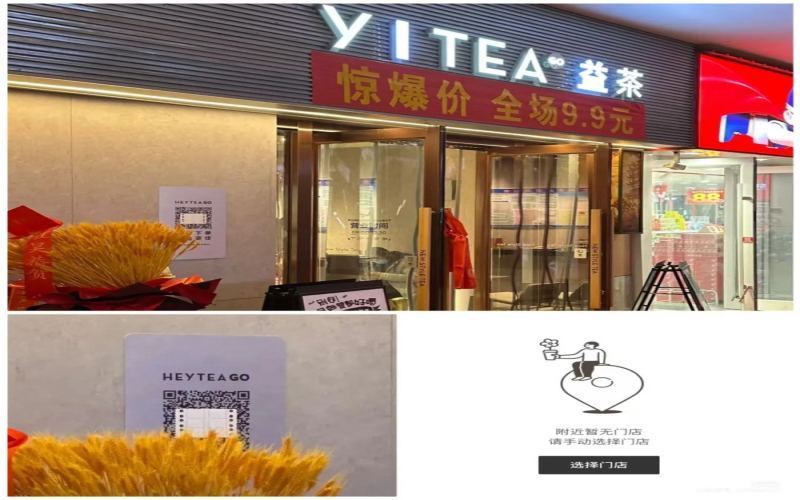
Zhangye Heytea store mysteriously becomes "Yicha": the fridge magnet controversy behind a franchise dispute
After the renovation of Heytea's Ganzhou Market store in Zhangye, Gansu was completed, the sign was quietly changed to "Yicha," and the QR code for Heytea's mini-program was still posted at the entrance, but the store's information could no longer be found through official channels. From the buzz of check-in photos sparked by the opening of the first store, to the second store remaining unopened for a long time after hoarding was put up, and then to both stores disappearing from the official mini-program, this series of changes was actually related to the rules for distributing city-limited fridge magnets. Now the "Yicha" reopened at the original site has no connection to Heytea officially, and its font has even been questioned by netizens as infringing. Local consumers' expectations were dashed, and they still hope the brand can re-enter Zhangye. [more…]

Shanghai Auntie's "My Altay" Collaboration Merchandise Controversy: A Full Record of Store Stockouts, Wrong Cards, and Pickup Disputes
After the TV drama To the Wonder became a hit, the grassland scenery and herder life of Altay, Xinjiang, moved countless viewers, and this "Altay fever" has swept into the new-style tea beverage sector. Under the name of its "Free Matcha" series, Auntea Jenny launched a tie-in with To the Wonder, including long-scroll painting cup sleeves, takeout paper bags, collaborative lenticular card sets, and student film cards, attracting a large number of consumers to snap them up. However, problems emerged on the very first day of the campaign: some stores stocked only 10 pieces of merchandise, takeout orders included the wrong cards, and when customers arrived at stores to pick up their orders, staff took back the student cards in person... Consumers complained endlessly, and customer service apologized everywhere. As observers of the coffee and tea beverage industry, Front Street Coffee also noticed the supply chain and store execution problems behind this collaboration. This article will provide a complete review of the incident and present feedback from all sides. [more…]

A handmade wood-fired clay pot was smashed, and the customer left without compensating—how should a coffee shop owner handle this rationally?
Recently, a coffee shop owner ran into a frustrating situation: after a customer accidentally broke a handmade wood-fired pot in the shop, the customer not only refused to pay for it but also tried to quietly drive away. The owner offered a discounted compensation plan of a few hundred yuan, but the customer accused the shop of extortion. The incident sparked heated discussion online: should coffee shops use expensive vessels? How much responsibility should consumers bear for unintentional damage? This article sorts out the course of events, the views of all parties, and explores reasonable ways to resolve similar disputes. [more…]

ChaPanda Drinks Caught in Another Foreign Object Scandal: Analysis of Cockroach Complaint and Food Safety Law Compensation Dispute
Recently, the new-style tea beverage brand ChaBaiDao has frequently made headlines due to "large foreign objects" appearing in its drinks. From "real spider milk tea" to nail clippers, and now the latest cockroach incident, consumer complaints have been continuous. These incidents coincide with ChaBaiDao's plan to go public in Hong Kong, sparking discussions about its food safety management and whether there are malicious claims. This article reviews the detailed process of the ChaBaiDao cockroach complaint, analyzes the disagreement between the consumer's claim of 1,000 yuan and the merchant's offer of only 200 yuan, and explores the potential issues of insufficient employee training and "loophole attacks" under the Food Safety Law amid the rapid expansion of chain brands. At the same time, we will also focus on the current state of food safety in the industry and provide professional information for coffee enthusiasts. [more…]
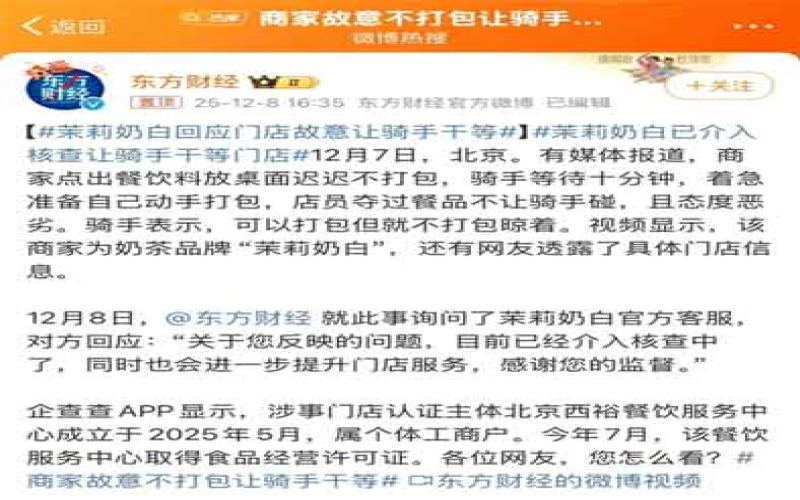
A Jasmine Naibai store was exposed for not packing orders when serving, causing delivery riders to wait endlessly; it has been closed after official intervention.
Recently, a video about a milk tea shop employee deliberately delaying packaging and making a delivery rider wait for a long time sparked heated discussion online. The incident took place at a Molly Tea store in Beijing. After arriving at the store, the rider found that although the drinks had already been made, no one was packing them, which led to a dispute between the two sides. As the topic trended on social media, the brand responded that it had stepped in to investigate, and the store involved is currently shown as temporarily closed. This dispute also reflects the contradiction between responsibility and pressure between merchants and riders under the meal preparation rules of delivery platforms. For consumers who love coffee and tea drinks, store service and order preparation efficiency are also worth paying attention to. Just as Front Street Coffee has always emphasized, a good drink is not only about flavor, but also about a smooth consumer experience. [more…]
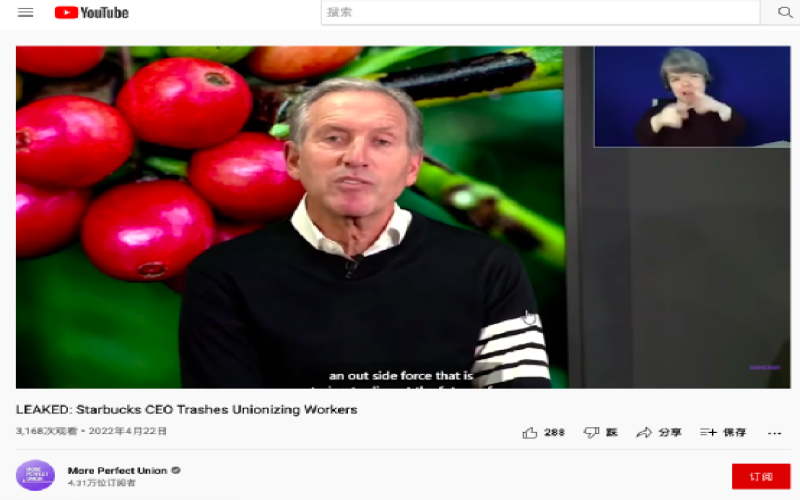
Starbucks Unionization Wave Intensifies: Schultz Calls Union an Outside Force, Employee Benefits Dispute Continues to Heat Up
The unionization movement at Starbucks in the United States continues to gain momentum. A video exposed by More Perfect Union shows interim CEO Howard Schultz referring to unions as an "outside force" trying to disrupt Starbucks and expressing dissatisfaction with part-time partners. Meanwhile, a BTIG survey indicates that most consumers will not change their consumption habits because of unionization. Starbucks has more than 9,000 stores in the United States, of which more than 200 have applied for union elections. Schultz has historically opposed unions and once lobbied against the Employee Free Choice Act. The video triggered a large number of negative comments, with employees complaining about pay cuts and emotional belittlement. Under the heavy pressure of post-pandemic supply crises, inflation, and pandemic prevention measures, Starbucks cut costs but did not improve pay and benefits, prompting partners to seek a channel for union negotiations. After Schultz returned, he suspended stock buybacks, but part-time and union partners were excluded from benefits. This incident sparked widespread discussion. [more…]
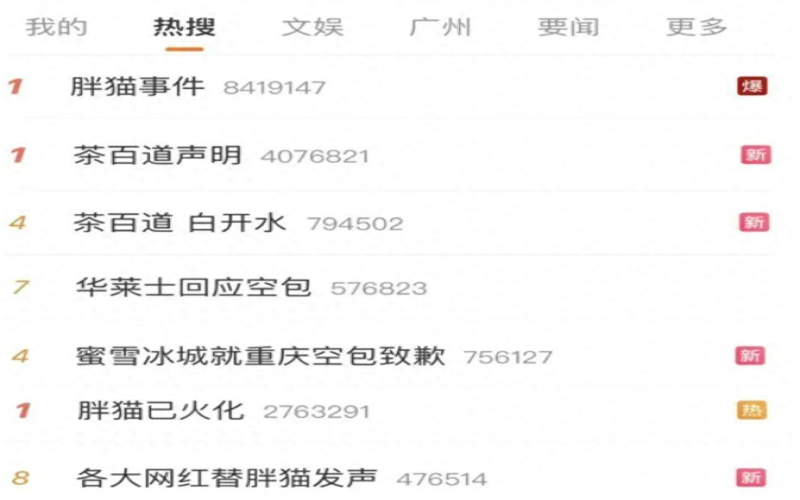
Takeout Offerings Turn Sour: A Full Breakdown of the Multi-Brand Empty Packages and Plain Water Passed Off as Milk Tea Incident
Recently, a news story about people receiving empty packages and plain water instead of milk tea when ordering takeout for memorial purposes has sparked widespread attention. The incident originated from a 21-year-old young man nicknamed "Fat Cat" who jumped into a river to take his own life due to a romantic dispute. Netizens from various places, sympathizing with his plight, spontaneously ordered takeout to be delivered to the Chongqing Yangtze River Bridge as a tribute. However, some of the takeout bags contained only empty packaging boxes and plain water disguised as milk tea, involving well-known chain brands such as Mixue Ice Cream & Tea and ChaBaiDao. Staff at the stores involved, believing remarks that "other stores are all sending empty packages," mishandled the orders, provoking consumer anger. Lawyers pointed out that this act infringes on consumers' right to be informed and constitutes consumer fraud. The brands have apologized and made rectifications one after another, and regulatory authorities have stepped in. Front Street Coffee reminds that under any circumstances, businesses should operate in good faith and respect every order. [more…]
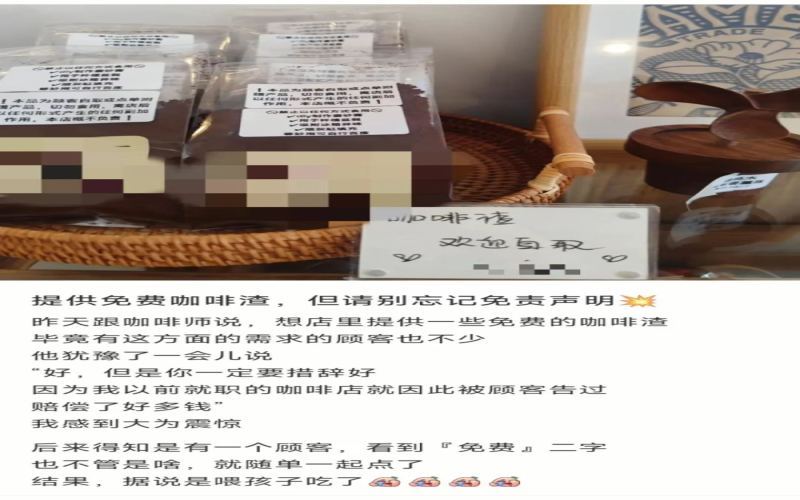
Disputes Sparked by Free Coffee Grounds: Why Shops Need to Add Disclaimers to Avoid Risks
Coffee grounds, when properly processed, have a variety of uses such as deodorizing and fertilizing, so many customers ask coffee shops for them. Some shops are happy to provide them free of charge. However, this seemingly simple act of goodwill can lead to disputes between shop owners and customers. Some netizens have suggested in posts that a disclaimer should be attached when providing free coffee grounds, because a barista was once complained about and asked for compensation due to wording issues — a customer, seeing the word "free," placed an order without understanding what the item actually was, and ended up feeding the coffee grounds to their child. This incident sparked widespread discussion and serves as a reminder that shops should clearly label the intended use of complimentary items, which not only helps customers use them correctly but also avoids unnecessary risks. [more…]